The Muckle Cross Visited
Photos
Local Area
Drove up in car and stayed overnight in the Premier Inn to take in the Elgin City v Partick Thistle Scottish cup match on the 7th February 2026. Thistle won 3-2. Elgin – the jewel of Moray, or as the Celts might've called it, the "beautiful place" (that's what 'Elgin' roughly means, though if you've seen a Scottish winter, you might quibble on the beauty bit). Tucked in northeast Scotland, this town's geography is like a well-planned picnic: fertile plains hugged by the River Lossie, with the mighty Spey and Findhorn rivers acting as natural bouncers to the east and west. It's got mountains to the south (hello, Cairngorms for skiing shenanigans) and a coastline nearby for those who fancy spotting dolphins in the Moray Firth instead of dodging raindrops. History-wise, Elgin's been kicking around since the 12th century as a royal burgh, thanks to King David I chartering it in 1136. It was a big deal back then – think medieval VIP spot with merchants, brewers, and even King Edward I popping by in 1296 to call it a "good town" (high praise from the Hammer of the Scots). The star attraction? The ruined Elgin Cathedral, aka the 'Lantern of the North' – once Scotland's fanciest medieval pile, now a picturesque skeleton after a few fiery mishaps (blame wolves, reformers, and general bad luck). Folklore adds some spice: Enter the Kellas Cat, a mysterious black feline beastie named after a local village, once thought to be a mythical hybrid but now just a fancy way to say "big wildcat." And don't forget the ancient legends intertwined with history – Moray's like Scotland in miniature, full of standing stones, royal hunting grounds, and whispers of Macbeth's battles nearby. General interest? Whisky galore in Speyside distilleries, beaches for beachcombing, and a vibe that's equal parts historic charm and "let's have a dram." If Elgin were a person, it'd be that witty uncle who knows all the old stories but still cracks a joke about the weather.
The Pub
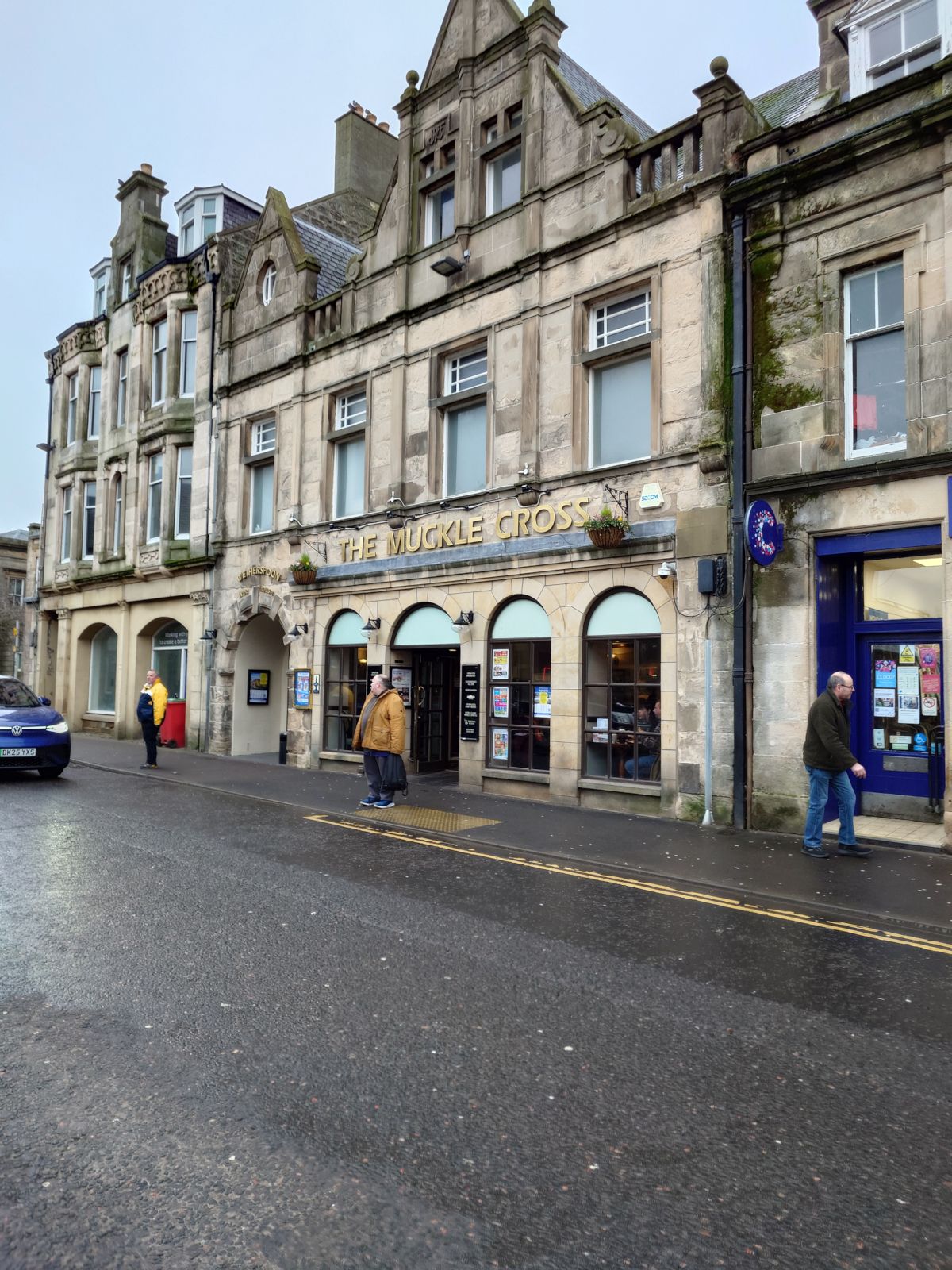
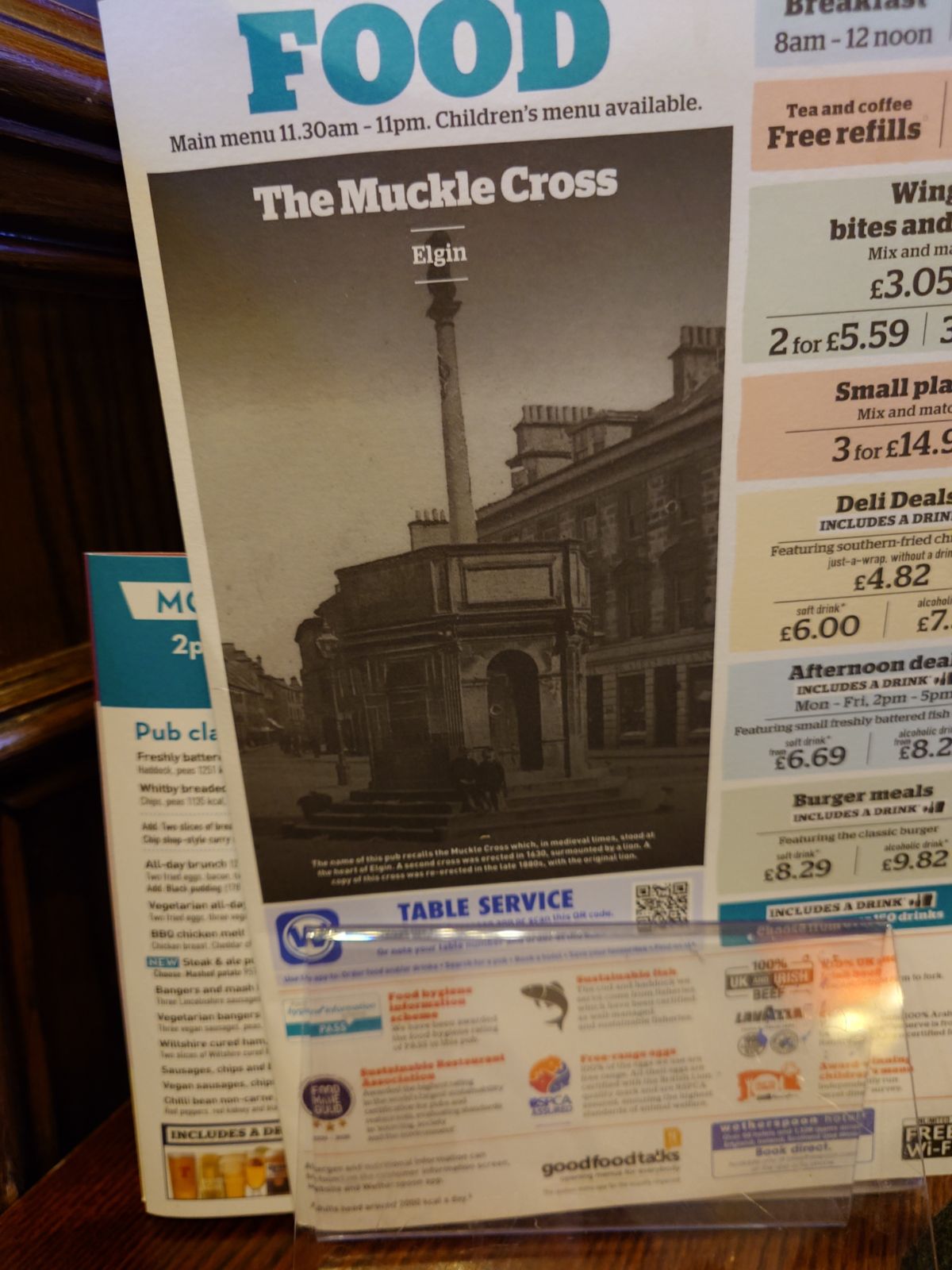
The Muckle Cross – sounds like a wrestling move, is named after the "big cross" (muckle means big in Scots) that stood smack in Elgin's medieval heart as a market landmark. The original was ancient, then a version popped up in 1630 topped with a lion, a copy was rebuilt in the 1880s with the OG lion still perched on top. This Wetherspoons is plonked right on 34 High Street, in a spot that was once a bike repair shop! It's your classic 'Spoons: Long room with ample seating, family area. Open from 8am till midnight (or 1am on Fri/Sat), serving grub till 11pm – think affordable burgers, spice bags, and deals like two dine for £25. Facilities? Wi-Fi, TVs, baby changing, step-free access, and it's wheelchair-friendly. Pub was rammed with thistle fans before the game and then rammed again at night with staff keeping busy
Football Team
Elgin City FC, the Black and Whites, founded way back in 1893 and kicking balls in the Highland League until they leveled up to the Scottish League in 2000. They're currently battling in Scottish League Two (4th place as of late 2025), managed by Allan Hale, with a squad featuring keepers like Tom Ritchie and defenders like Matthew Cooper. Home turf is Borough Briggs, a 4,520-capacity ground (478 seats – cozy, eh?) right in town.
Travel
Used the car for this trip due to distance / timings and being able to attend the game and stay overnight into a Sunday at a slightly out of town hotel. Was possible to go by public transport, but not convenient for me.
Beers
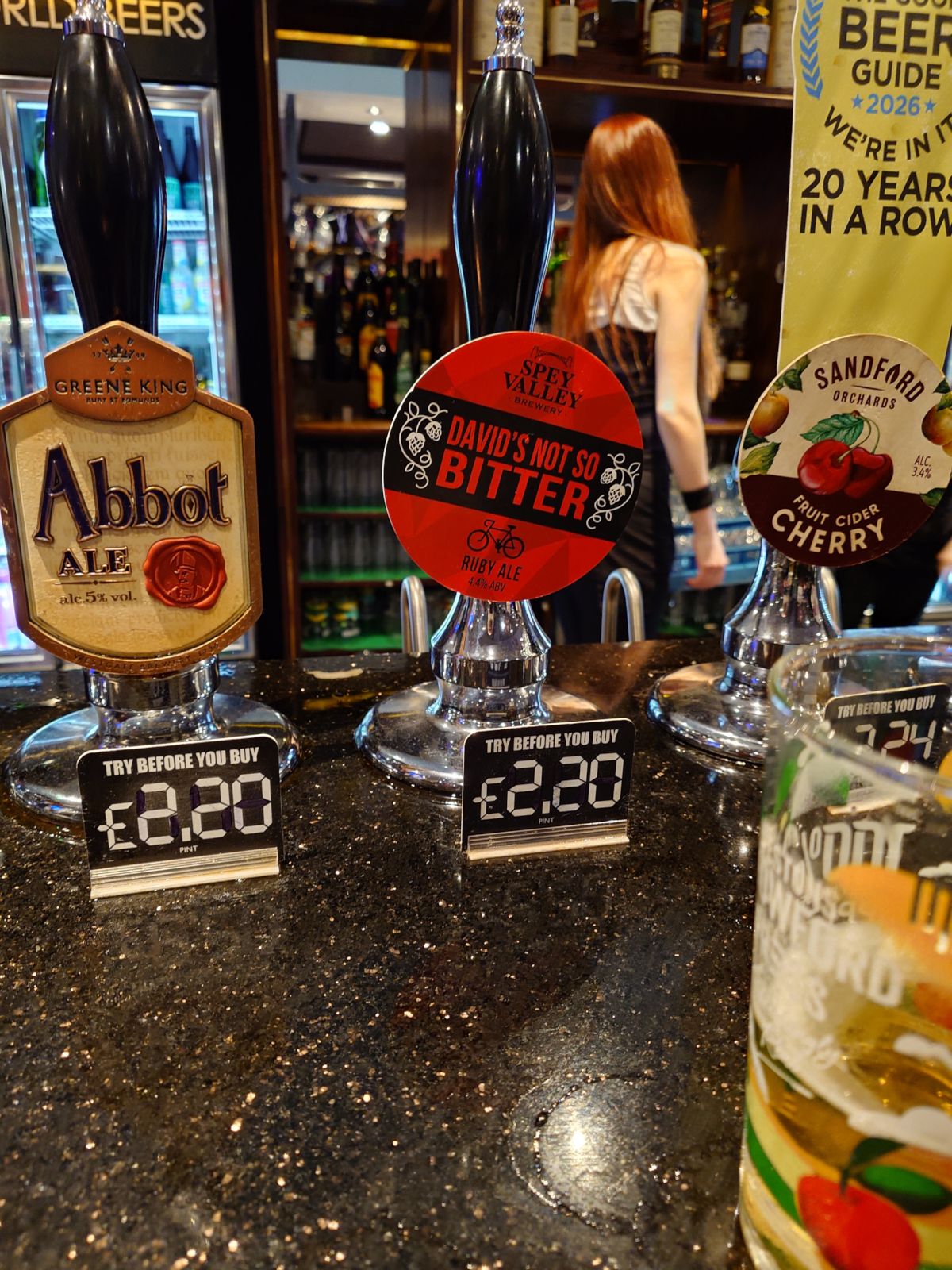
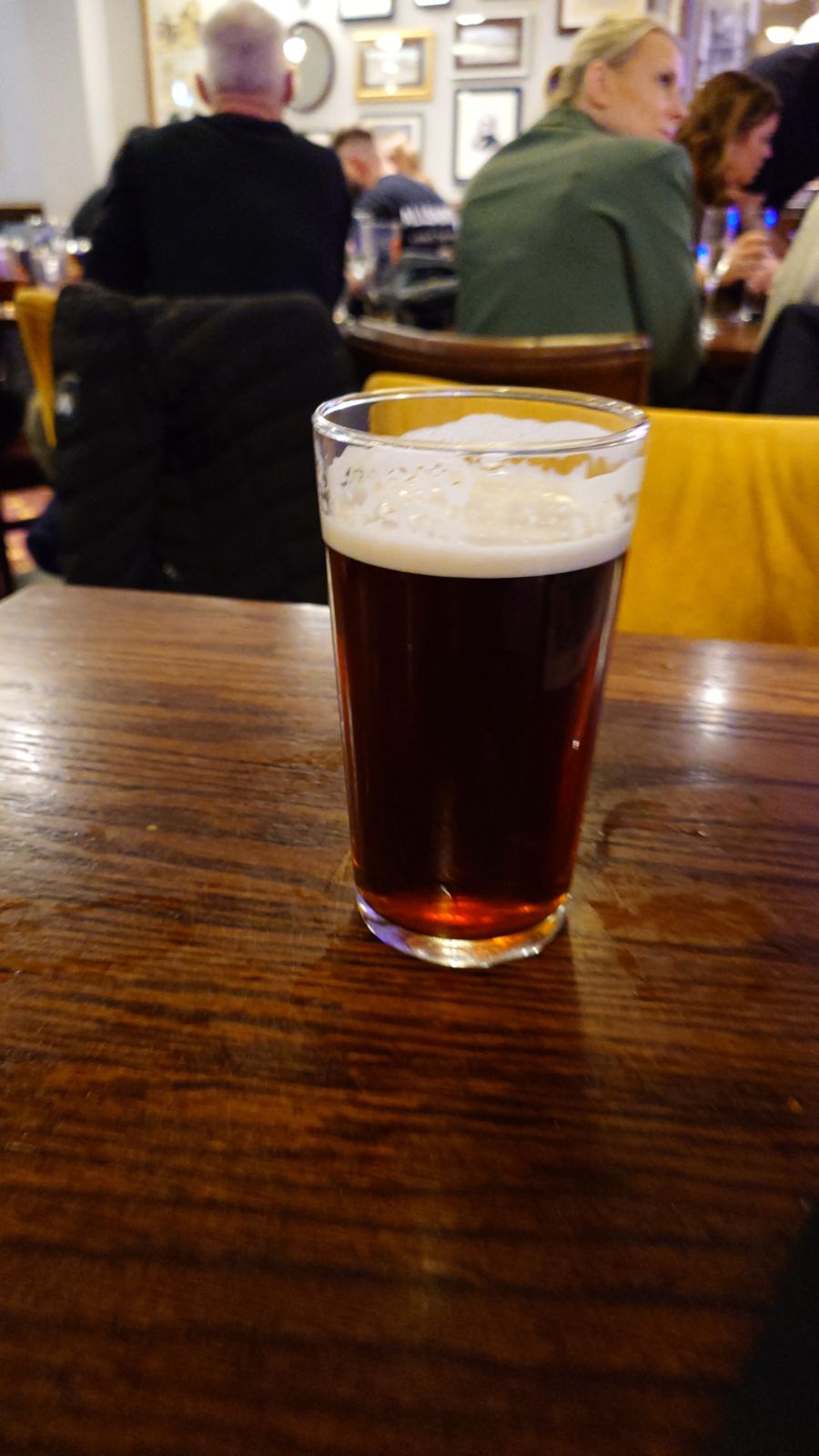
Spey Valley "Davids not so bitter" ruby ale at 4.4% and £2.20 a pint. Spey Valley Brewery was founded in 2007 in Moray, right in the heart of Speyside's famed malt whisky country. They are well-known for leveraging traditional Scottish malting barley and pure Speyside water to produce clean, well-balanced ales. David's Not So Bitter (4.4% ABV) is named directly after co-founder David MacDonald, this award-winning beer (taking Gold for Best British Style at the Scottish Beer Awards) is a Ruby Ale / Traditional Best Bitter designed specifically as a gateway bitter for people who usually shy away from heavy, overly astringent hops. It leans heavily on classic British malt sweetening rather than dominant hop sharpness. Tasting Notes; pours a rich, reddish-brown. Smooth, medium-bodied, and malt-forward with sweet caramel, biscuity toast, and light dried fruit flavors, finishing with a very gentle, rounded hop aroma rather than an aggressive bite. Food Pairings; Traditional Pub Savories, Roast Meats and Comfort Desserts.